Leave Your Message
0%

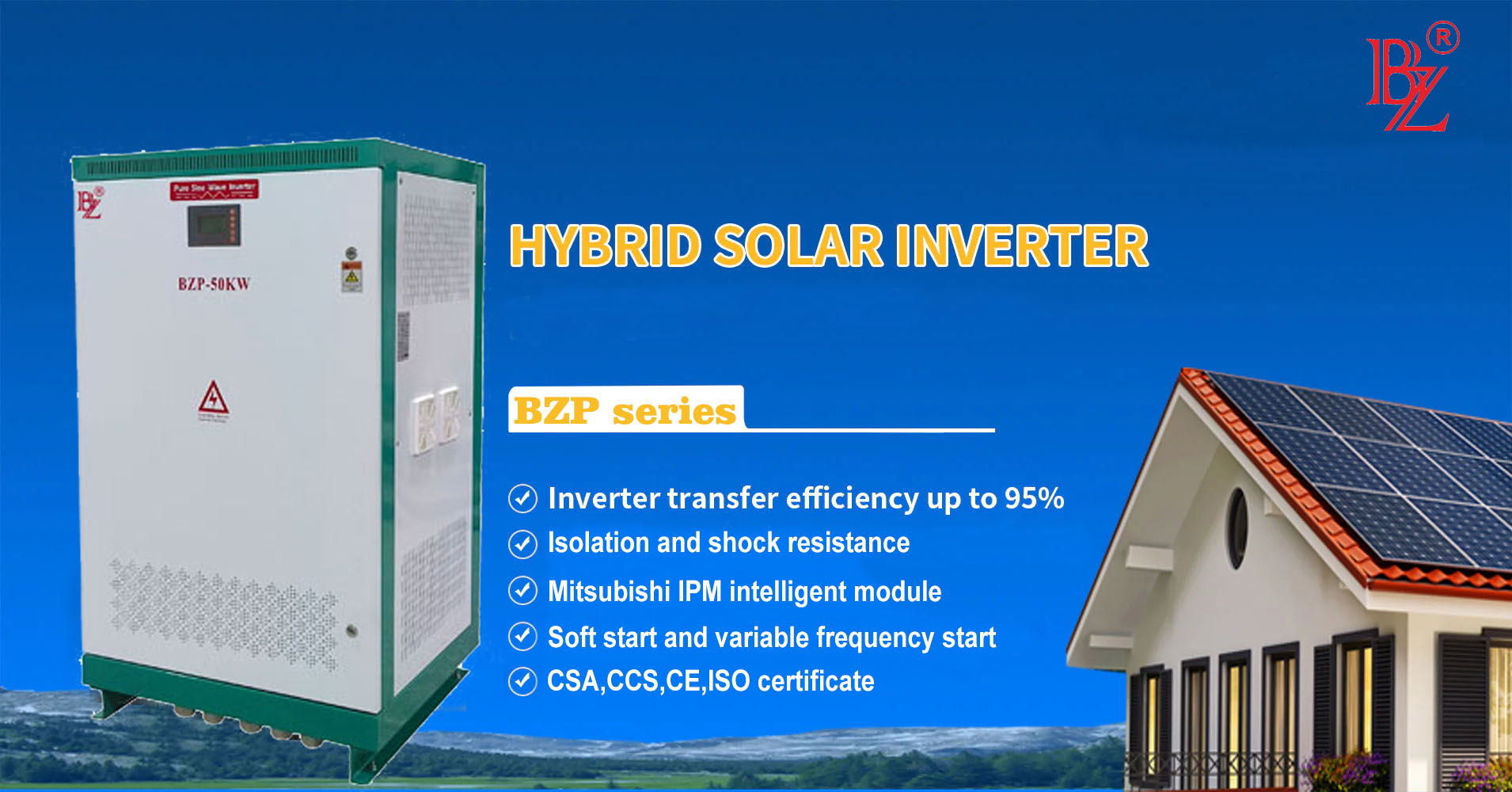
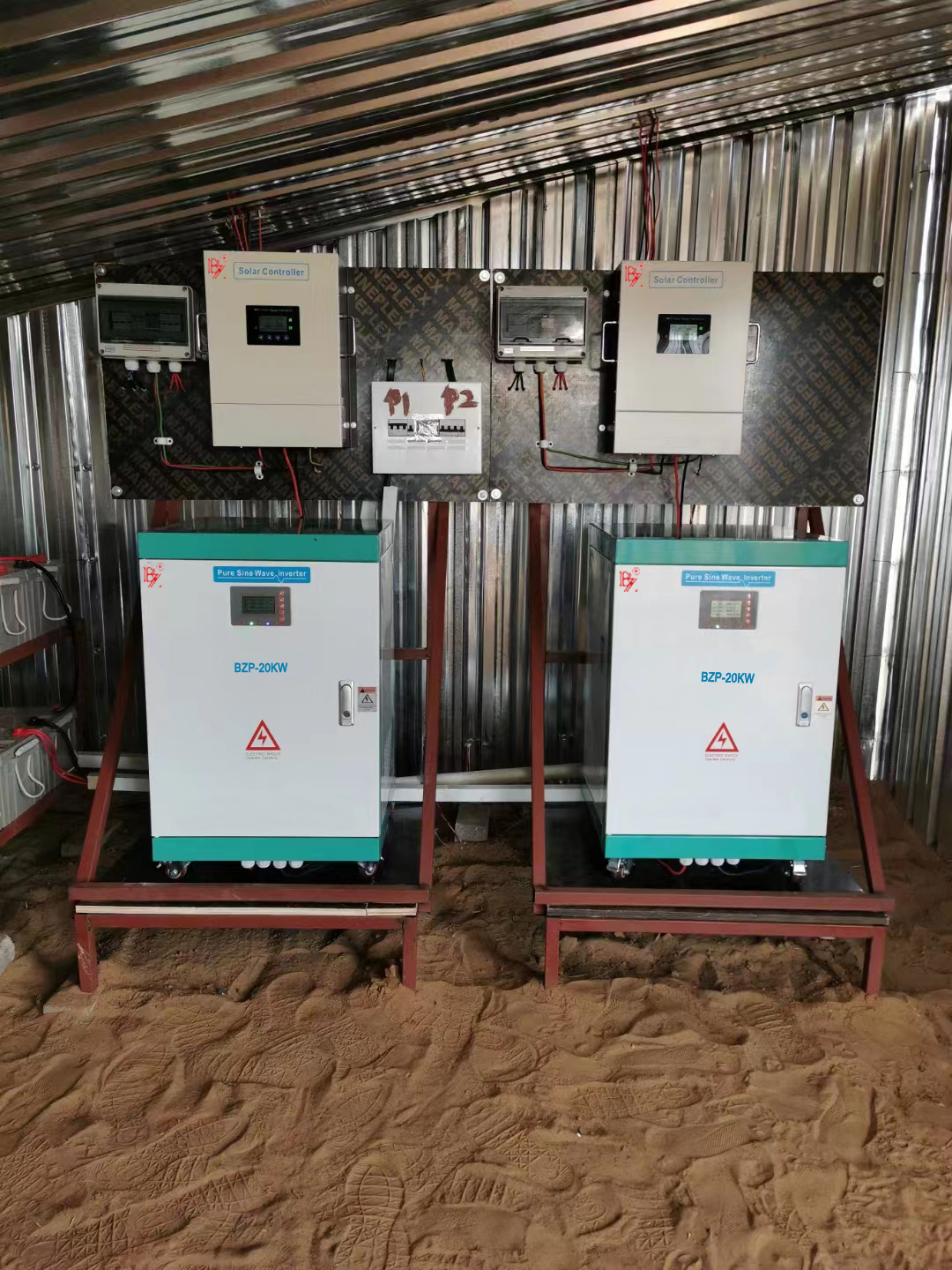
Hybrid inverter.jpgIn today’s rapidly changing energy world, it’s pretty important for both folks and industry pros to get a good grasp of the different ways Low Frequency Inverters can be used—and how they can actually benefit you. Over the past decade, Bangzhao Electric Co., Ltd. has really made a name for itself by coming up with innovative solutions, like lithium battery storage and a variety of inverters, including pure sine wave and marine types. This blog is basically your go-to guide for understanding how Low Frequency Inverters work across different sectors — showing you how they can boost energy efficiency and keep things running smoothly. With the right info and knowing how to properly use these inverters, businesses and individuals alike can save a lot on energy costs and get better overall system performance. Whether you’re thinking about upgrading your current power setup or just exploring new energy options, getting a handle on how Low Frequency Inverters work is key to making smarter choices.

Understanding the Basics of Low Frequency Inverters: What You Need to Know

Low frequency inverters are pretty essential gadgets that turn direct current (DC) into alternating current (AC) — usually at frequencies below 200 Hz. If you’re new to them, it helps to understand just how important they are across different fields like industrial machinery, water pumps, and renewable energy setups. One of their biggest perks? They can handle big power loads while still keeping the output nice and steady, which is perfect for heavy-duty jobs.

What’s really cool about low frequency inverters is how efficiently they manage voltage and current. This means your connected equipment performs better and is more reliable—something that really matters in tough environments. Plus, they support various motor types and often come packed with smart features like speed control, overload protection, and customizable settings.

All this not only boosts operational efficiency but also helps save energy, which can cut down costs in the long run. So, taking a closer look at how low frequency inverters work really helps you understand their many uses and all the benefits they bring to modern electric systems.

Key Applications of Low Frequency Inverters in Various Industries

Low frequency inverters are pretty important in lots of different industries because they take direct current (DC) and turn it into alternating current (AC)—and they do this with specific perks depending on what’s needed. For example, in manufacturing, these inverters are a must-have for powering equipment like motors and pumps that need steady, reliable power to work their best. When they provide consistent output, machinery runs smoothly, which means less risk of damage and a boost in productivity overall.

On the renewable energy front, low frequency inverters are key players in connecting solar and wind power systems to the grid. They help handle the ups and downs that come with these energy sources so that the electricity they generate stays stable and dependable. And in telecom, these inverters are part of backup power systems—kind of like a safety net—that keep critical communication networks running even when the power goes out. Overall, the versatility and dependability of low frequency inverters make them pretty essential, whether we’re talking about old-school tech or the latest innovations across different industries.

The Advantages of Using Low Frequency Inverters for Energy Efficiency

Low frequency inverters have really started to catch the eye across different industries – and honestly, it’s not surprising. They’re known for being super energy-efficient and reliable. Basically, they run at a lower switching frequency, which helps cut down on electromagnetic interference and also makes them last longer. If you look at what MarketsandMarkets reports, the global inverter market is expected to jump from around $10.5 billion back in 2020 to roughly $16.3 billion by 2025. That really shows a clear trend towards smarter, more sustainable energy solutions. These inverters are especially great when you need high torque but want to keep maintenance to a minimum — so they’re perfect for industrial stuff and renewable energy projects.

At Bangzhao Electric Co., Ltd., we’re all about coming up with innovative ways to store and convert energy. Our low frequency inverters are a big part of that, helping to optimize energy use—think lithium battery storage systems and bi-directional energy setups. The efficiency improvements aren’t just a small thing either — they can really add up and save folks a bunch of money, with some studies pointing to energy savings of up to 20%. With over ten years under our belt designing and delivering top-notch inverter systems, we’re proud to be leading the charge towards better energy efficiency and a more sustainable future for our customers.

Tips for Choosing the Right Low Frequency Inverter for Your Needs

When you're trying to pick out the right low-frequency inverter for what you actually need, there are a few important things to keep in mind. First off, you wanna get a clear idea of how much power your setup needs. It’s a good idea to add up the wattage of all the devices you plan to run and make sure the inverter can handle that comfortably—no point in choosing something that’s barely capable of keeping up. Also, don’t forget to check out the inverter’s efficiency rating. Generally, the higher it is, the less energy gets wasted, which means lower running costs in the long run.

And then, you should think about what kind of loads you'll be connecting. If you’re dealing with sensitive electronics, it’s best to look for an inverter that outputs a pure sine wave—that’s the kind of power that’s clean and steady. On the flip side, if your setup involves motors or transformers, make sure the inverter can cope with those inrush currents—that sudden power surge those loads often need. Oh, and don’t overlook other features either, like remote monitoring, built-in protections, or how easy it is to install—these little things can really make a difference in how smooth everything runs. If you take the time to think through these points, you'll be better off choosing an inverter that fits your needs perfectly and keeps everything running smoothly.

Common Challenges and Solutions in Low Frequency Inverter Usage

Low frequency inverters are really gaining popularity in lots of different applications lately. People love how they can control motor speeds easily and help save energy at the same time. But let’s be honest, they’re not perfect and can come with their fair share of issues. Common headaches include managing heat, making sure they work well with the existing system, and figuring out the right programming. Figuring out how to deal with these problems is pretty important if you want the inverter to perform at its best.

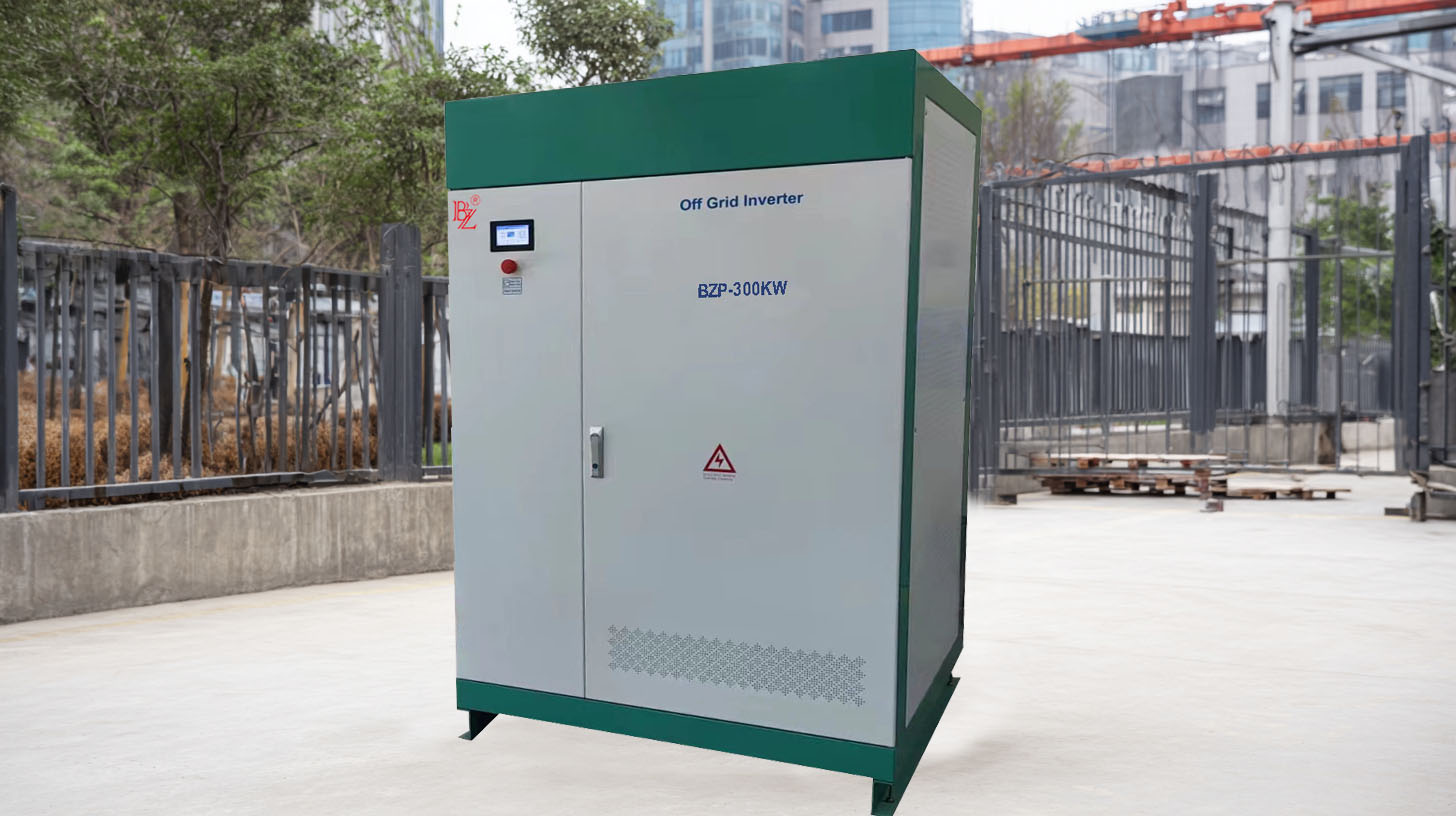
off grid low frequency inverter.jpg

One of the biggest hurdles is heat buildup. If the inverter gets too hot, it might just give out on you. To avoid that, make sure there’s enough airflow around it—use fans or heatsinks if needed. Keep an eye on the temperature during operation too—it helps catch overheating before it becomes a real problem and can help the inverter last longer.

Then there’s the compatibility aspect. Sometimes, low frequency inverters don’t play nicely with the existing equipment. It’s really important to double-check the specs and, if you’re unsure, chat with the manufacturer or a professional before diving in. Luckily, many inverters come with pretty user-friendly software that lets you tweak settings to match your specific system, so make sure to make use of those tools. Doing so can make your setup smoother and avoid a lot of headaches down the line.

Future Trends in Low Frequency Inverter Technology and Applications

Looking ahead to the future of low frequency inverter tech, a few exciting trends are starting to really shake things up and could totally redefine how we use them. And honestly, with Bangzhao Electric Co., Ltd. taking the lead in offering some pretty cutting-edge energy solutions — stuff like bi-directional storage and Pure Sine Wave Inverters — we're bound to see big improvements in both efficiency and versatility. The new control systems and efforts to better integrate renewable energy sources are really pushing these inverters to become even more useful across a bunch of different sectors, from automotive to marine applications.

A couple of tips if you're working with low frequency inverters: make sure your system's size matches your load needs — don’t go overboard or undersize — and keep that firmware updated. It might sound minor, but updated firmware means smoother performance and better safety. Bonus tip: setting up energy monitoring tools can really give you a clear picture of how energy is being used, so your business can make smarter, data-backed choices to boost efficiency.

As the industry keeps evolving, expect to see more focus on smart tech and automation. Using machine learning and IoT tech can seriously boost how efficiently these inverters run, which is especially important given the rising demand for reliable, green energy solutions. Jumping on these trends now isn’t just about better performance; it’s about making sure your energy setups are ready for whatever challenges come next.

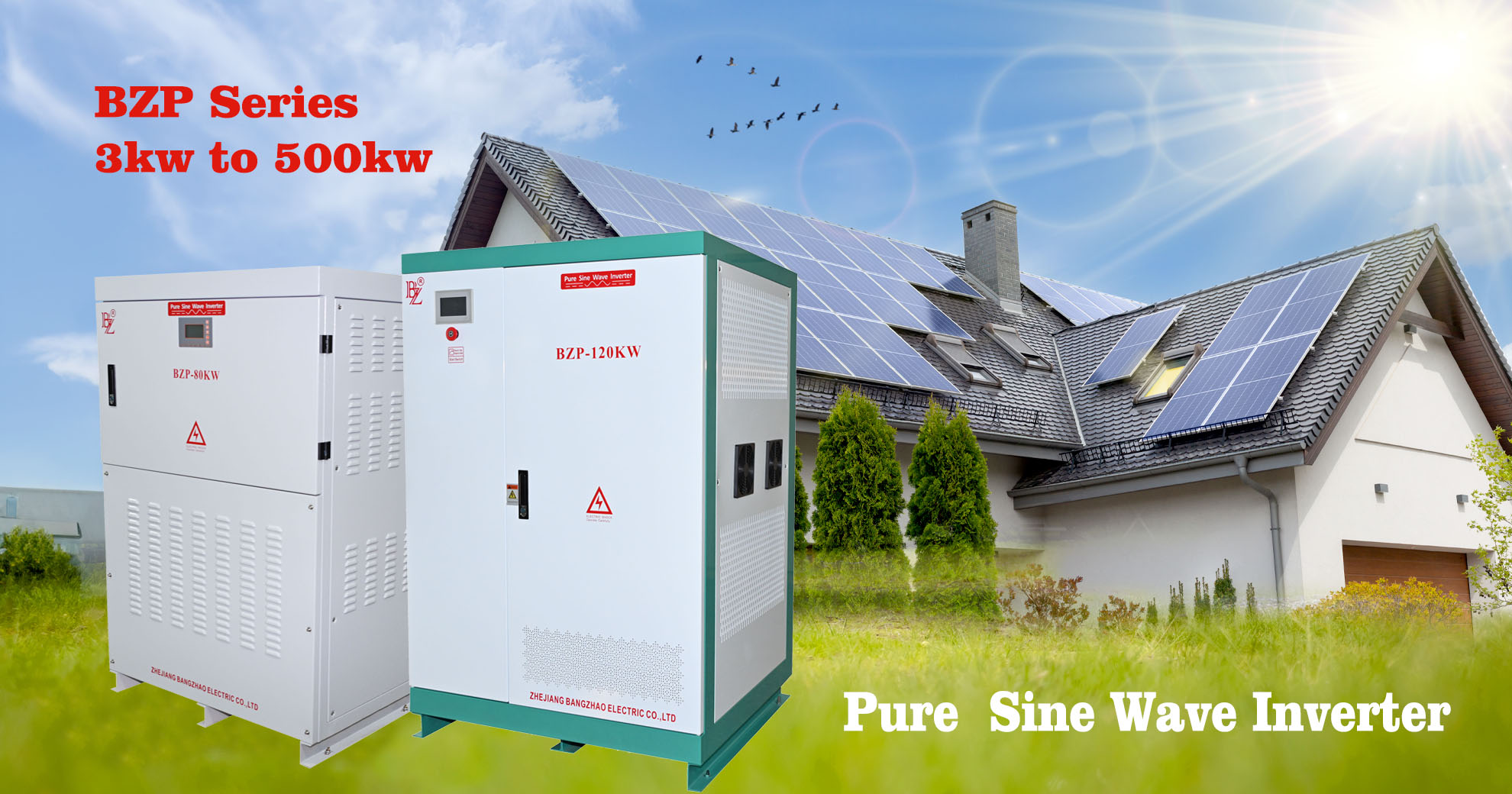
Pure Sine Wave Inverter.jpg

FAQS

: What are low frequency inverters?

: Low frequency inverters are devices that convert direct current (DC) to alternating current (AC) at frequencies typically below 200 Hz, essential for various applications.

What are the primary applications of low frequency inverters?

They are widely used in industrial machinery, water pumping, renewable energy systems, and telecommunications, among other fields.

Why are low frequency inverters important in industrial settings?

They provide a stable power output, which is crucial for operating equipment such as motors and pumps reliably, enhancing productivity and reducing the risk of damage.

How do low frequency inverters contribute to energy savings?

Their advanced features, like speed control and overload protection, improve operational efficiency, which leads to lower energy consumption and reduced operational costs.

What advantages do low frequency inverters offer in renewable energy systems?

They help integrate solar and wind power into the grid by managing the variability of these energy sources, ensuring stable and reliable electricity production.

Can low frequency inverters be customized for specific needs?

Yes, many low frequency inverters come with customizable settings to tailor their performance according to the requirements of different applications.

What features make low frequency inverters suitable for heavy-duty operations?

They can handle higher power loads while ensuring a stable output, making them ideal for demanding applications where reliability is critical.

How do low frequency inverters support telecommunications systems?

They provide back-up power to maintain operations during outages, ensuring the continuity of critical communications infrastructure.

What types of motors can low frequency inverters support?

Low frequency inverters are compatible with various motor types, enhancing their versatility in different applications.

What is the significance of voltage and current management in low frequency inverters?

Efficient management of voltage and current leads to improved performance of connected equipment, which is vital in environments where durability and reliability are essential.

Conclusion

In today’s world where everyone’s pretty conscious about energy use, getting a handle on Low Frequency Inverters is more important than ever if you want your systems to run smoothly. These inverters are not just some techy gadgets—they play a crucial role in a bunch of applications, from renewable energy setups to marine and vehicle systems. Plus, they really help improve energy efficiency overall. By understanding their main uses, companies can take advantage of what Low Frequency Inverters have to offer—boosting operational performance while tackling common issues with smart solutions.

Here at Bangzhao Electric Co., Ltd., we’re all about providing complete energy solutions—things like advanced Low Frequency Inverters—to match our clients’ different needs. With over ten years of hands-on experience working with lithium battery storage and various inverter types, we’re pretty confident about helping customers stay ahead of the curve when it comes to Low Frequency Inverter trends. Our goal is to make sure they're ready to make smart, informed choices when it comes to managing their energy systems.

Amelia

Amelia

Amelia is a dedicated marketing professional with over a decade of experience in the field of energy storage solutions. She is deeply knowledgeable about the company’s core offerings, which include cutting-edge lithium battery storage systems, bi-directional energy storage power supplies, pure sine......
Previous Maximizing Value: Understanding After-Sales Support and Maintenance Costs for the Best Solar Charger Inverter